Traditional Lebanese Tabbouleh Salad
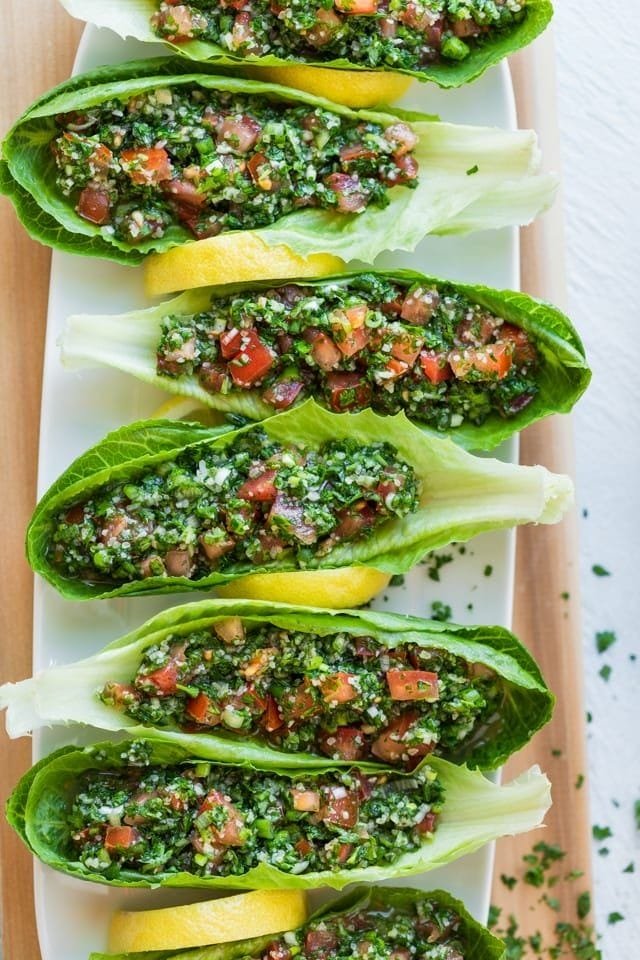
A fresh, authentic Lebanese salad made with finely chopped parsley, juicy tomatoes, crisp cucumber, fresh mint, and a bright lemon-olive oil dressing. This traditional Mediterranean favorite is light, refreshing, and bursting with fresh flavors. Perfect as a healthy side dish or a refreshing addition to any meal!
Prep Time: 25 minutes
Cook Time: 0 minutes
Total Time: 25 minutes
Servings: 4–6
Cuisine: Lebanese / Mediterranean
Course: Salad / Side Dish
Ingredients
-
3 large bunches fresh flat-leaf parsley, finely chopped
-
2 medium ripe tomatoes, finely diced
-
½ English cucumber, finely diced (optional)
-
¼ cup fresh mint leaves, finely chopped
-
¼ cup fine bulgur wheat
-
4 green onions, finely chopped
-
¼ cup fresh lemon juice
-
¼ cup extra virgin olive oil
-
½ teaspoon salt, or to taste
-
¼ teaspoon freshly ground black pepper
-
½ teaspoon ground allspice (optional)
Step-by-Step Instructions
1. Prepare the Bulgur
Place fine bulgur wheat in a small bowl. Add a little warm water and let it soak for about 10–15 minutes until softened. Drain thoroughly and squeeze out excess water.
2. Wash the Fresh Herbs
Wash parsley and mint thoroughly under cold running water. Dry completely using a salad spinner or clean kitchen towel. Finely chop the parsley and mint.
3. Prepare the Vegetables
Finely dice the tomatoes and cucumber. Chop the green onions into small pieces. Try to keep everything evenly sized for the best texture.
4. Make the Dressing
In a small bowl, whisk together fresh lemon juice, extra virgin olive oil, salt, black pepper, and optional allspice.
5. Combine the Ingredients
Place chopped parsley, mint, tomatoes, cucumber, and green onions in a large mixing bowl. Add the softened bulgur.
6. Add the Dressing
Pour the lemon and olive oil dressing over the salad. Toss gently until all ingredients are evenly coated.
7. Let the Flavors Develop
Allow the salad to rest for approximately 5–10 minutes so the fresh herbs and dressing can blend together.
8. Taste and Adjust
Taste the salad and add more lemon juice, olive oil, or salt if needed.
9. Serve Fresh
Transfer to a serving platter and enjoy immediately with warm pita bread or your favorite Mediterranean dishes.
Healthy Benefits
-
Rich in Vitamins: Fresh parsley provides vitamins A, C, and K.
-
Antioxidant Support: Tomatoes and fresh herbs contain beneficial antioxidants.
-
Heart-Friendly Fats: Extra virgin olive oil provides monounsaturated fats.
-
Digestive Health: Parsley and vegetables contribute dietary fiber.
-
Fresh and Light: A refreshing vegetable-based dish that fits beautifully into a Mediterranean eating pattern.
Pro Tips
-
Use flat-leaf parsley for the most traditional flavor.
-
Chop parsley very finely for authentic Lebanese texture.
-
Dry the herbs completely before chopping to prevent watery salad.
-
Use fine bulgur rather than coarse bulgur.
-
Always use freshly squeezed lemon juice.
-
Add dressing shortly before serving for the freshest texture.
-
Traditional Lebanese tabbouleh is parsley-forward, not bulgur-heavy.
Frequency
-
Enjoy 2–3 times per week as part of a balanced Mediterranean-style diet.
-
Serve as a fresh side dish with lunch or dinner.
-
It is especially refreshing during warm weather.
-
Prepare fresh when possible for the best flavor and texture.
Frequently Asked Questions
Q1: Is traditional Lebanese tabbouleh made with lots of parsley?
Yes! Parsley is the main ingredient. Bulgur is used in a smaller quantity to complement the fresh herbs.
Q2: Can I make tabbouleh without bulgur?
Absolutely! You can leave out bulgur for a grain-free version. The traditional recipe, however, includes bulgur wheat.
Q3: Can I prepare tabbouleh ahead of time?
You can wash and chop the vegetables and herbs ahead of time. For the best texture, combine everything with the dressing shortly before serving.
Q4: Is tabbouleh gluten-free?
Traditional tabbouleh contains bulgur wheat, which contains gluten. For a gluten-free option, replace bulgur with cooked quinoa or simply omit it.
Q5: How long does tabbouleh last in the refrigerator?
It is best enjoyed fresh, but leftovers can be refrigerated in an airtight container for up to 2 days.
Q6: Can I add more cucumber?
Yes! Cucumber adds extra crunch and freshness, although parsley should remain the star of traditional Lebanese tabbouleh.
Serving Suggestions
Serve traditional tabbouleh with:
-
Warm pita bread or whole-wheat flatbread.
-
Grilled chicken or Mediterranean kebabs.
-
Hummus and baba ganoush.
-
Falafel and roasted vegetables.
-
Grilled fish or baked salmon.
-
Stuffed grape leaves.
Variations
1. Gluten-Free Tabbouleh: Replace bulgur with cooked and cooled quinoa.
2. Extra Lemon Tabbouleh: Add additional fresh lemon juice for a tangier flavor.
3. Cucumber Tabbouleh: Add extra cucumber for a crisp, refreshing texture.
4. Pomegranate Tabbouleh: Add fresh pomegranate seeds for a sweet and colorful twist.
5. Low-Carb Tabbouleh: Skip the bulgur and increase the fresh vegetables and herbs.
Related Recipe Ideas
-
Mediterranean Chickpea Salad
-
Lebanese Fattoush Salad
-
Greek Cucumber Tomato Salad
-
Mediterranean Dense Bean Salad
-
Classic Hummus with Olive Oil
-
Lemon Garlic Grilled Chicken
-
Roasted Vegetable Mediterranean Bowl
-
Fresh Mediterranean Quinoa Salad
Final Thought
Traditional Lebanese Tabbouleh is a beautiful celebration of fresh Mediterranean ingredients. With its vibrant parsley, juicy tomatoes, fragrant mint, tangy lemon, and smooth olive oil, every bite is refreshing and delicious. Simple, nutritious, and easy to prepare, this timeless Lebanese salad deserves a place on every healthy dinner table!