Homemade Basil Pesto — Anti-Inflammatory-Inspired Recipe
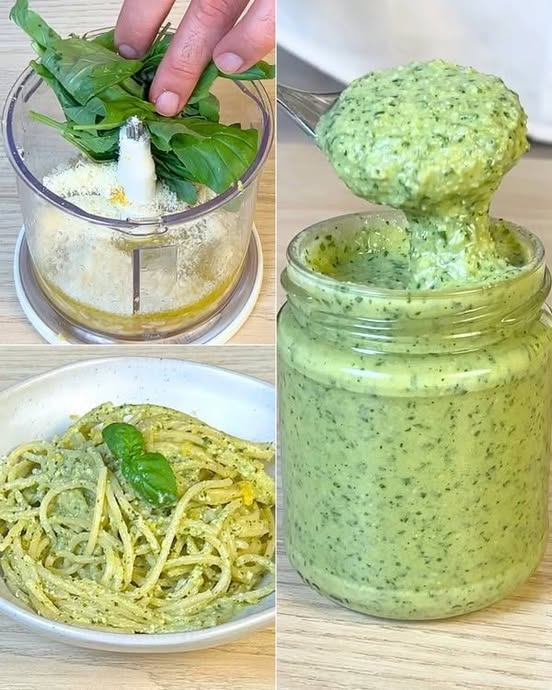
This homemade basil pesto is a fresh, creamy sauce made with basil, extra-virgin olive oil, garlic, Parmesan, nuts, and lemon. It is an easy way to add flavor to pasta, vegetables, grains, sandwiches, and proteins.
While no single food can treat inflammation or replace medical care, this pesto uses several ingredients commonly associated with an anti-inflammatory eating pattern, including basil, extra-virgin olive oil, garlic, nuts, and lemon. It also fits naturally into a Mediterranean-style diet focused on vegetables, herbs, healthy fats, and minimally processed foods.
🌿 Homemade Basil Pesto Recipe
Prep time: 10 minutes
Cook time: 0 minutes
Total time: 10 minutes
Yield: About 1½ cups
Serving size: 2 tablespoons
Ingredients
2 cups fresh basil leaves, loosely packed
½ cup extra-virgin olive oil
⅓ cup freshly grated Parmesan cheese
⅓ cup pine nuts or walnuts
2–3 garlic cloves
1 tablespoon fresh lemon juice
¼ teaspoon freshly ground black pepper
¼ teaspoon salt, or to taste
2–4 tablespoons cold water, as needed for consistency
Optional anti-inflammatory-inspired additions
½ teaspoon turmeric
¼ teaspoon freshly grated ginger
1 tablespoon ground flaxseed
A small pinch of red pepper flakes
Tip: If adding turmeric, use a small amount so it doesn’t overpower the basil. A little black pepper is traditionally paired with turmeric because piperine can increase curcumin absorption, although culinary amounts should not be viewed as a medical treatment.
How to Make Basil Pesto
Wash and dry the basil.
Dry the leaves thoroughly. Excess water can make pesto watery.
Blend the nuts and garlic.
Add pine nuts or walnuts and garlic to a food processor. Pulse several times until roughly chopped.
Add basil.
Add the basil leaves and pulse until finely chopped.
Add olive oil.
With the processor running on low, gradually add the extra-virgin olive oil.
Add Parmesan and lemon.
Add Parmesan, lemon juice, salt, and black pepper. Pulse just until combined.
Adjust the texture.
Add 2–4 tablespoons of cold water if you want a thinner, more pourable pesto.
Taste and adjust.
Add additional lemon, salt, Parmesan, or olive oil according to your preference.
For extra-creamy pesto
Blend in 2–3 tablespoons of plain Greek yogurt. This makes a creamy pesto sauce while adding protein, although it changes the traditional pesto flavor.
🍝 Serving Suggestions
1. Basil pesto pasta
Toss 2–3 tablespoons of pesto with cooked whole-wheat or chickpea pasta. Add cherry tomatoes, spinach, roasted vegetables, and grilled chicken or salmon for a balanced meal.
2. Pesto chicken
Spread pesto over chicken breast or thighs before baking. Serve with roasted vegetables and quinoa.
3. Pesto salmon
Top baked salmon with a spoonful of pesto after cooking. The combination provides protein and unsaturated fats and works well with a Mediterranean-style meal.
4. Pesto vegetables
Mix pesto with roasted broccoli, zucchini, asparagus, bell peppers, or Brussels sprouts.
5. Pesto avocado toast
Spread pesto over whole-grain toast and top with avocado, tomato, and a poached or boiled egg.
6. Pesto grain bowl
Combine quinoa or brown rice with chickpeas, leafy greens, cucumber, tomatoes, roasted vegetables, and pesto.
7. Healthy sandwich spread
Use pesto instead of mayonnaise on a turkey, chicken, mozzarella, or roasted vegetable sandwich.
🫒 Why These Ingredients Are Popular in an Anti-Inflammatory Diet
Basil: Provides plant compounds and antioxidants while adding substantial flavor without needing heavily processed sauces.
Extra-virgin olive oil: A cornerstone of the Mediterranean diet and a source of monounsaturated fat and polyphenolic compounds.
Walnuts: Provide plant-based omega-3 ALA, along with fiber, protein, and other nutrients. If you use pine nuts instead, you’ll get a different nutritional profile but still a nutrient-dense ingredient.
Garlic: Contains sulfur-containing compounds that contribute to its characteristic flavor and are being studied for various potential health effects.
Lemon: Adds vitamin C and acidity, allowing you to use less salt while keeping the pesto bright and flavorful.
Parmesan: Adds protein, calcium, and umami, although it also increases sodium and saturated fat.
The overall nutritional value depends heavily on portion size and what you serve the pesto with.
📊 Approximate Nutrition
For 2 tablespoons of pesto made with olive oil, Parmesan, pine nuts, basil, and garlic:
Calories: ~130–150
Protein: ~3 g
Fat: ~13–15 g
Carbohydrates: ~2–3 g
Fiber: ~0.5–1 g
Sodium: ~100–180 mg
Calcium: ~60–90 mg
These numbers are estimates and can vary substantially with the amount of oil, cheese, and nuts used.
How to make it lighter
For a lower-calorie pesto:
Replace part of the olive oil with water.
Use ¼ cup Parmesan instead of ⅓ cup.
Add extra basil or baby spinach.
Use Greek yogurt for some of the oil.
Keep the pesto portion around 1–2 tablespoons.
🔄 Delicious Variations
Walnut Basil Pesto
Replace pine nuts with walnuts for a more budget-friendly version with plant-based omega-3 ALA.
Spinach Basil Pesto
Use 1½ cups basil + ½ cup baby spinach. This increases the volume of greens while keeping the basil flavor.
Lemon-Garlic Pesto
Increase the lemon juice to 2 tablespoons and add an extra garlic clove for a brighter, more intense sauce.
Dairy-Free Pesto
Replace Parmesan with 2–3 tablespoons nutritional yeast plus a little extra lemon juice.
High-Protein Pesto
Blend in 2–3 tablespoons plain Greek yogurt or cottage cheese. Use it as a sauce for chicken, salmon, vegetables, or pasta.
Creamy Avocado Pesto
Blend in ½ ripe avocado. Because avocado browns relatively quickly, this version is best eaten fresh.
Spicy Pesto
Add red pepper flakes or a small amount of fresh chili.
Nut-Free Pesto
Replace nuts with sunflower seeds or pumpkin seeds if appropriate for your dietary needs.
🧊 Storage & Meal Prep
Transfer pesto to a clean airtight container and refrigerate promptly.
For best quality, use it within several days. You can also freeze pesto in ice-cube trays, then transfer the frozen portions to a freezer-safe container or bag. Individual cubes are convenient for pasta, vegetables, soups, and proteins.
A thin layer of olive oil on the surface can help reduce exposure to air, but it isn’t a substitute for proper refrigeration.
Frequently Asked Questions
Is basil pesto anti-inflammatory?
Pesto can be part of an anti-inflammatory dietary pattern, particularly because it contains extra-virgin olive oil, nuts, herbs, and garlic. However, calling pesto itself an “anti-inflammatory treatment” would be misleading. Diet quality overall matters much more than one recipe.
Is pesto healthy?
It can be. Traditional pesto contains nutrient-dense ingredients, but it is also relatively calorie-dense because olive oil, cheese, and nuts contain substantial amounts of fat. Portion size matters.
Is pesto good for weight loss?
Pesto can fit into a weight-management diet, but it is calorie-dense. Using 1–2 tablespoons as a flavor-packed sauce can be a practical way to enjoy it without adding a large number of calories.
Is homemade pesto better than store-bought pesto?
Homemade pesto gives you control over the olive oil, sodium, cheese, nuts, and ingredients. It also avoids the need to choose among different commercial formulations.
Can I make pesto without Parmesan?
Yes. Nutritional yeast, a small amount of white miso, or simply additional nuts can provide savory flavor in a dairy-free version.
Can I use walnuts instead of pine nuts?
Absolutely. Walnuts are an excellent alternative and are often less expensive than pine nuts.
Can I use spinach in pesto?
Yes. Spinach can replace part of the basil. It produces a milder, greener pesto and is useful when you want to increase your vegetable intake.
What is the best oil for pesto?
Extra-virgin olive oil is the classic choice and works particularly well if you’re aiming for a Mediterranean-style recipe.
How do I prevent basil pesto from turning dark?
Minimize exposure to air, avoid over-processing, and store it promptly in an airtight container. A little lemon juice can also help maintain a brighter appearance.
🥗 Best Anti-Inflammatory Meal Pairings
For a more balanced meal, pair pesto with:
Salmon + roasted broccoli + quinoa
Grilled chicken + vegetables + whole-grain pasta
Chickpeas + spinach + brown rice
Whole-grain pasta + tomatoes + mushrooms + pesto
Eggs + avocado + whole-grain toast
Lentils + roasted vegetables + pesto
Grilled fish + Mediterranean salad + pesto
These combinations emphasize fiber-rich foods, lean or plant-based protein, vegetables, whole grains, and healthy fats rather than relying on pesto alone.
Final Thoughts
This homemade basil pesto is an easy Mediterranean diet recipe that delivers big flavor from simple ingredients. Extra-virgin olive oil, basil, garlic, nuts, lemon, and Parmesan make it versatile enough for pasta night, meal prep, healthy lunches, grain bowls, chicken, fish, and roasted vegetables.