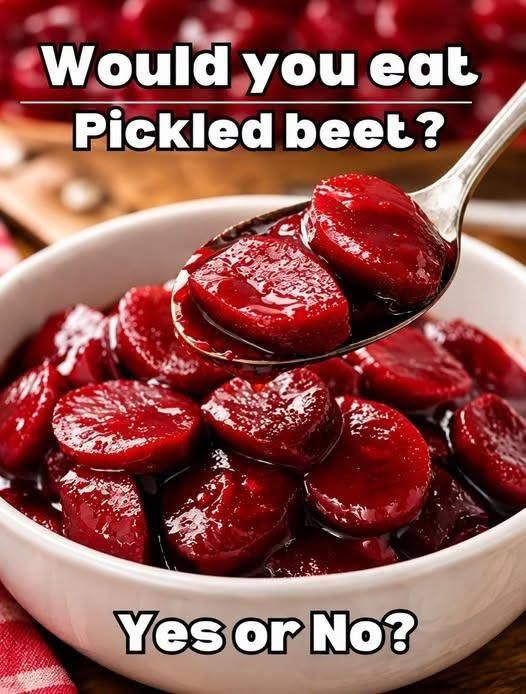
A jar of pickled beets in the fridge has a charmingly retro vibe. Deep ruby red, shiny, and nearly too beautiful to eat, the colour alone makes me happy.
This straightforward combination was first introduced to me by a family friend who recommended trying homemade pickled beets rather than purchasing them from the store. At first, I was dubious. I questioned whether adding vinegar would actually improve the earthy sweetness that beets already possess..
Classic Pickled Beets
Description
Classic Pickled Beets are sweet, tangy, vibrant, and incredibly easy to prepare. Tender beets are sliced and preserved in a flavorful vinegar brine made with apple cider vinegar, water, a little natural sweetener, salt, and aromatic spices.
Beets are naturally rich in dietary fiber, folate, potassium, and antioxidant compounds called betalains. Their betalain pigments have antioxidant and anti-inflammatory properties in laboratory and nutritional research, although pickled beets should not be considered a treatment for inflammation or any medical condition.
This easy healthy side dish is perfect for meal prep, salads, sandwiches, grain bowls, burgers, and holiday dinners.
Prep time: 15 minutes
Cook time: 35–45 minutes
Pickling time: 24 hours+
Servings: 6–8
Difficulty: Easy
Ingredients
For the Beets
- 2 pounds fresh red beets
- Water, for boiling or steaming
- 1 teaspoon salt
For the Pickling Brine
- 1 cup apple cider vinegar
- 1 cup water
- 1/3 cup granulated sugar, honey, or maple syrup
- 1 teaspoon kosher salt
- 1 teaspoon whole black peppercorns
- 1 teaspoon mustard seeds
- 1/2 teaspoon whole cloves
- 1 small cinnamon stick
- 1 bay leaf
Optional Additions
- 1 small sliced red onion
- 1/2 teaspoon ground ginger
- 1 garlic clove
- Fresh dill
- Orange peel
- A pinch of red pepper flakes
Instructions
1. Prepare the Beets
Wash the beets thoroughly and trim the leaves and roots, leaving a small amount of stem attached. This helps reduce color loss while cooking.
Place the beets in a large pot, cover with water, and add 1 teaspoon of salt.
2. Cook Until Tender
Bring the water to a boil, then reduce to a simmer. Cook for approximately 30–45 minutes, depending on the size of the beets.
The beets are ready when a knife or fork slides easily into the center.
You can also roast the beets at 400°F (200°C) for approximately 45–60 minutes for a deeper, sweeter flavor.
3. Peel and Slice
Allow the cooked beets to cool until they are comfortable to handle. Rub off the skins using your fingers or a paper towel.
Slice the beets into rounds or wedges.
4. Make the Pickling Brine
Combine the apple cider vinegar, water, sweetener, salt, peppercorns, mustard seeds, cloves, cinnamon stick, and bay leaf in a saucepan.
Bring to a gentle simmer and stir until the sugar or sweetener dissolves.
5. Combine
Place the sliced beets in a clean heat-resistant container or jar.
Pour the warm pickling liquid over the beets until they are completely covered.
Add optional red onion, dill, ginger, garlic, or orange peel if desired.
6. Refrigerate
Allow the mixture to cool before covering and refrigerating.
For the best flavor, let the beets pickle for at least 24 hours. The flavor becomes deeper and more balanced after several days.
Important: This recipe is intended as a refrigerator pickle, not a shelf-stable canning recipe. For long-term room-temperature storage, use a tested water-bath canning recipe and follow current food-safety guidelines.
Serving Suggestions
- Add to a Mediterranean salad with feta, cucumber, olives, and greens.
- Serve alongside roasted chicken, turkey, or grilled fish.
- Add to a quinoa or brown-rice healthy grain bowl.
- Pair with goat cheese, walnuts, and arugula.
- Add to sandwiches, wraps, or burgers for a sweet-tart crunch.
- Serve as a colorful holiday side dish.
- Chop finely and mix into potato or egg salad.
- Serve with hummus and whole-grain crackers.
- Add to a charcuterie or appetizer board.
- Enjoy chilled straight from the refrigerator.
Variations
Sweet & Tangy Pickled Beets
Increase the sweetener to 1/2 cup for a sweeter, traditional-style pickle.
Low-Sugar Pickled Beets
Reduce the sugar to 1–2 tablespoons. The finished beets will be noticeably more tart.
Spicy Pickled Beets
Add red pepper flakes, sliced jalapeño, or a small amount of fresh ginger.
Garlic & Dill Beets
Add fresh dill and one lightly crushed garlic clove for a savory herb flavor.
Orange-Ginger Beets
Add several strips of orange zest and 1/2 teaspoon fresh grated ginger.
Pickled Beets & Red Onion
Add thinly sliced red onion to the jar for extra crunch and a beautiful pink color.
Nutrition Information
Approximate nutrition per serving, assuming 8 servings and excluding optional ingredients:
- Calories: ~90
- Carbohydrates: ~19 g
- Protein: ~2 g
- Fat: ~0 g
- Dietary fiber: ~3 g
- Sugar: ~16 g
- Sodium: ~350 mg
- Potassium: ~350 mg
- Folate: contributes a meaningful amount toward daily needs
Nutrition will vary according to beet size, sweetener, portion size, and how much pickling liquid is consumed.
A Note About Anti-Inflammatory Benefits
Beets contain betalains and other plant compounds with antioxidant activity. A diet rich in colorful vegetables can contribute to overall health and may support the body’s normal response to oxidative stress and inflammation.
However, pickled beets are not an anti-inflammatory medicine or treatment. For an overall anti-inflammatory eating pattern, combine vegetables such as beets with fruits, legumes, whole grains, nuts, seeds, fish, and other minimally processed foods.
Storage
Keep the beets refrigerated at 40°F (4°C) or below and use clean utensils when serving.
For best quality, consume refrigerated pickled beets within approximately 2–3 weeks. Discard them if you notice mold, unusual odors, fermentation, or other signs of spoilage.
Frequently Asked Questions
Are pickled beets healthy?
They can be a nutritious addition to a balanced diet. Beets provide fiber, folate, potassium, and antioxidant compounds. Keep in mind that some recipes contain significant added sugar and sodium.
Are pickled beets anti-inflammatory?
Beets contain betalains and other compounds associated with antioxidant and anti-inflammatory activity. However, evidence does not mean that eating pickled beets treats chronic inflammation or disease.
Do pickled beets have the same nutrients as fresh beets?
Some nutrients remain after cooking and pickling, while others can be reduced by heat or processing. Pickled beets can still contribute valuable nutrients to your diet.
Can I make pickled beets without sugar?
Yes. Sugar primarily balances the acidity of the vinegar. You can reduce it substantially or use a small amount of another sweetener.
How long do homemade pickled beets last?
For this refrigerator-pickle recipe, approximately 2–3 weeks under proper refrigeration and clean handling is a reasonable quality target.
Can I use canned beets?
Yes. Drain them well and place them directly into the prepared refrigerator-pickle brine. This makes the recipe considerably faster.
Are pickled beets good for weight loss?
They can fit into a calorie-conscious diet because beets provide relatively few calories per serving and contain fiber. However, no single food causes weight loss; overall calorie intake, dietary pattern, physical activity, and individual factors matter.
Why do beets turn everything red?
Beets contain intense natural pigments called betalains. These pigments can temporarily color the pickling liquid, cutting board, hands, and even urine or stool.
Related Questions
What are the health benefits of eating beets?
Are beets good for heart health?
Can you eat beets every day?
Are pickled vegetables healthy?
How do you make refrigerator pickles?
What is the difference between pickled and fermented vegetables?
How long do homemade pickles last?
What foods are part of an anti-inflammatory diet?
Are beets high in antioxidants?
What are the best healthy side dishes for dinner?
Final Thoughts
These Classic Pickled Beets are an easy way to turn an affordable root vegetable into a flavorful refrigerator pickle. Their naturally sweet flavor pairs beautifully with the acidity of vinegar, while spices such as mustard seed, peppercorn, cinnamon, and clove add depth