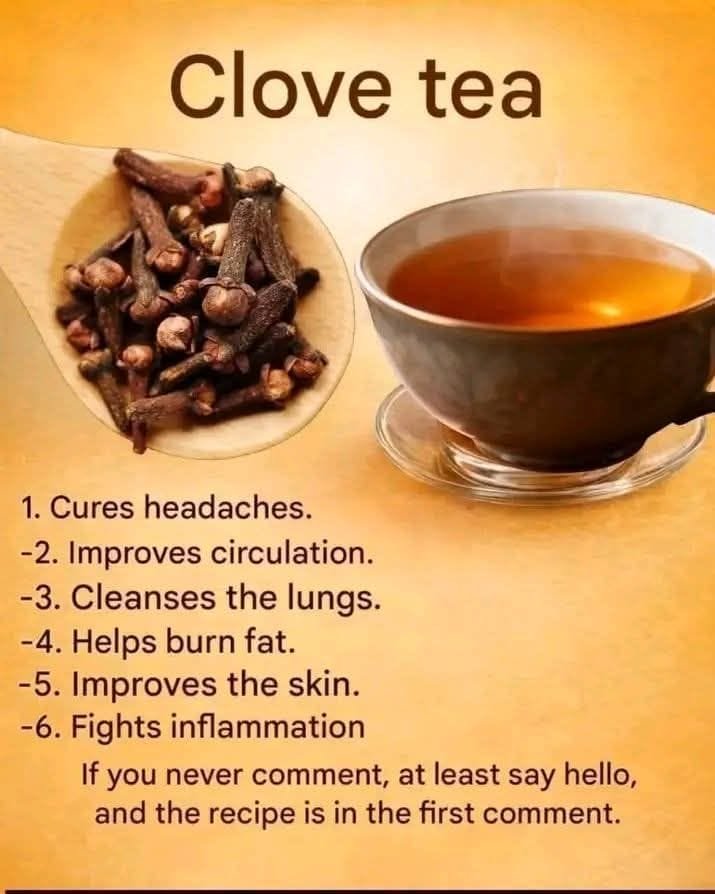
After a long, exhausting day, cradling a warm cup of tea is immensely reassuring. After dinner this weekend, I made this easy clove tea for my family, and to be honest, it made one of those typical evenings feel warm and special. When I was experiencing seasonal sniffles and stress a few months ago, my mother-in-law had really suggested adding cloves to tea, and ever since.
I prepare this tea on lazy weekends when everyone is sitting about talking about life, when I’m joyful and want to unwind, or when I’m stressed and need to calm down. Just the scent is therapeutic. What’s the best part? Even the members of my family who often steer clear of herbal beverages enjoyed it.
Clove Tea – Anti-Inflammatory Herbal Drink
Description
Clove tea is a warm herbal infusion made from dried cloves, a spice rich in antioxidants and natural plant compounds like eugenol. This caffeine-free wellness tea is commonly used in natural health routines for its soothing aroma, comforting flavor, and potential anti-inflammatory properties. Many people enjoy clove tea as a detox tea, immunity-support drink, digestive aid, and metabolism-boosting beverage.
Its taste is bold, spicy, slightly sweet, and warming, making it perfect for cold mornings, bedtime relaxation, or wellness-focused diets.
Ingredients
- 2 cups filtered water
- 1 teaspoon whole cloves (about 5–6 cloves)
- 1 teaspoon raw honey (optional)
- 1 teaspoon fresh lemon juice (optional)
- 1 small cinnamon stick (optional)
- 2–3 slices fresh ginger (optional for extra anti-inflammatory benefits)
Instructions
- Pour water into a small saucepan.
- Add the whole cloves.
- Add cinnamon and ginger if using.
- Bring to a gentle boil.
- Reduce heat and simmer for 8–10 minutes.
- Remove from heat and let steep for 2 minutes.
- Strain into a tea cup.
- Add honey and lemon if desired.
- Serve warm.
Why People Drink Clove Tea
Cloves contain antioxidants and plant compounds that may support:
- Anti-inflammatory wellness
- Digestive comfort
- Oral health
- Relaxation and warmth during cold weather
- Temporary soothing for sore throat discomfort
Some online claims such as “rapid fat burning” or “lung cleansing” are not strongly supported by clinical evidence, so it’s best viewed as a comforting wellness beverage rather than a cure.
Serving Suggestions
- Serve hot with lemon during cold and flu season.
- Pair with breakfast oatmeal or whole-grain toast.
- Drink after meals as a digestive herbal tea.
- Enjoy before bedtime as a caffeine-free relaxation drink.
- Add ice for a refreshing spiced detox iced tea.
Variations
1. Ginger Clove Tea
Add extra fresh ginger slices for a stronger warming effect and spicy flavor.
2. Cinnamon Clove Tea
Use a cinnamon stick for a naturally sweet, aromatic tea rich in antioxidants.
3. Honey Lemon Clove Tea
Perfect for soothing the throat during seasonal discomfort.
4. Masala Clove Tea
Add black tea, cardamom, and milk for an Indian-inspired chai version.
5. Turmeric Clove Tea
Mix in ¼ teaspoon turmeric for an additional anti-inflammatory herbal blend.
Nutrition Information (Approx. Per Cup)
- Calories: 5–12
- Carbohydrates: 1–3g
- Sugar: 0–2g
- Fat: 0g
- Protein: 0g
- Caffeine: 0mg
Nutritional values vary depending on honey, lemon, or added ingredients.
Related Questions
Is clove tea good for inflammation?
Cloves contain eugenol, a natural compound studied for anti-inflammatory effects. Drinking clove tea may support general wellness, but it is not a medical treatment.
Can I drink clove tea every day?
Moderate consumption is usually fine for most adults. Excessive clove intake may irritate the stomach or interact with blood-thinning medications.
Does clove tea help with weight loss?
Clove tea alone does not cause significant fat loss, but it can be part of a healthy lifestyle and hydration routine.
Is clove tea caffeine-free?
Yes. Traditional clove tea made only from cloves and herbs contains no caffeine.
When is the best time to drink clove tea?
Many people enjoy it:
- In the morning for warmth and digestion
- After meals
- Before bedtime for relaxation
Pro Tips
- Use whole cloves instead of ground cloves for a cleaner flavor.
- Do not over-boil; strong clove tea can become bitter.
- Add orange peel for a citrus-spice aroma.
- Store whole cloves in an airtight container to preserve flavor.
Final Thoughts
Clove Tea is a simple homemade herbal drink that combines warmth, aroma, and wellness-focused ingredients into one comforting cup. Whether you enjoy it as an anti-inflammatory tea, detox beverage, digestive herbal drink, or immune-support infusion, clove tea is easy to prepare and highly customizable.


