Making a warm herbal beverage with basic materials from the kitchen has a reassuring quality. A buddy suggested a hibiscus tea with cloves, bay leaves, and cinnamon a few weeks ago. She explained to me that it was one of her favorite small wellness rituals when she needed something cozy and comforting.
I made the decision to try it with my family last weekend.
To be honest, I didn’t think everyone would be interested. Cloves and bay leaf can be fairly potent, while hibiscus has a naturally acidic flavor. However, the kitchen smelt beautifully spicy and cozy once everything had simmered together. The rich ruby-red hue was really stunning.
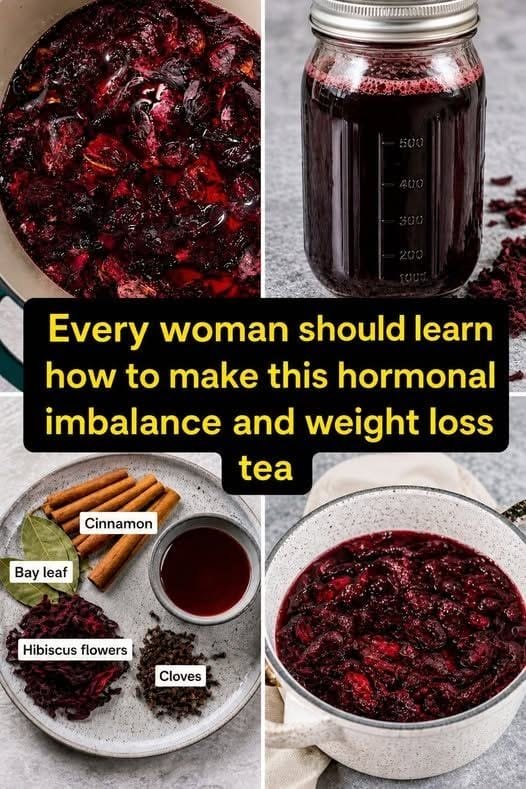
Hormonal Imbalance and Weight Loss Tea: Anti-Inflammatory Hibiscus Herbal Tea
If you’re looking for a beautiful, refreshing herbal tea that fits into a healthy lifestyle, this hibiscus, cinnamon, bay leaf, and clove tea is a lovely one to try.
It has a deep ruby-red color, a naturally tangy flavor, and a warming spice aroma. I especially like making a batch on weekends because it can be enjoyed warm in the morning or chilled over ice later in the day.
One important note before we begin: although this drink is often promoted online as a “hormonal balance” or “weight-loss tea,” there isn’t good evidence that this particular recipe can correct hormonal imbalances or directly cause weight loss. I prefer to describe it as a flavorful herbal tea that can complement a balanced diet and healthy lifestyle. Research on hibiscus has found potential effects on blood pressure, although the evidence is not strong enough to treat it as a replacement for medical care.
🌺 What Is This Hibiscus Herbal Tea?
This homemade wellness tea combines:
- Dried hibiscus flowers for its tart, fruity flavor and vibrant color
- Cinnamon for natural warmth and sweetness
- Bay leaves for an earthy herbal note
- Cloves for a slightly spicy, aromatic finish
- Lemon and honey, optional, for balancing the flavor
Hibiscus contains polyphenols and anthocyanins, which are plant compounds that have attracted interest in nutrition research. Some clinical studies have also investigated hibiscus for cardiovascular and metabolic health.
That makes this a nice anti-inflammatory diet-friendly beverage—but it’s better to think of it as one nutritious choice within an overall eating pattern rather than a treatment or detox.
🫖 Full Recipe
Ingredients
Makes about 4 servings
- 4 tablespoons dried hibiscus flowers
- 2 cinnamon sticks
- 2 bay leaves
- 1 teaspoon whole cloves
- 4 cups water
- 1–2 teaspoons honey, optional
- 1–2 teaspoons fresh lemon juice, optional
- A few slices of fresh ginger, optional
Instructions
- Add 4 cups of water to a saucepan.
- Add the dried hibiscus flowers, cinnamon sticks, bay leaves, and cloves.
- Bring everything to a gentle boil.
- Reduce the heat and simmer for 10–15 minutes.
- Turn off the heat and allow the tea to steep for another 5 minutes.
- Strain the tea into a heatproof jug or individual cups.
- Taste and add a little honey if you’d like it sweeter.
- Add fresh lemon juice for a brighter flavor.
- Serve warm, or refrigerate and serve over ice.
My favorite way to serve it
I love it slightly chilled with plenty of ice and a thin lemon slice. The tart hibiscus flavor becomes incredibly refreshing, especially on a warm afternoon.
❤️ Why People Love This Tea
This recipe is particularly appealing if you’re trying to replace sugary drinks with something more flavorful.
A cup of unsweetened herbal tea is naturally low in calories, and choosing it instead of a sugar-sweetened beverage can be a simple part of a healthy weight-management plan.
Hibiscus has also been studied for cardiovascular health. Several systematic reviews have reported modest reductions in blood pressure among some adults consuming hibiscus, although researchers note that more research is needed and it shouldn’t replace prescribed treatment.
Cinnamon adds flavor without needing much added sugar. However, evidence does not currently establish cinnamon as an effective weight-loss treatment, so I wouldn’t rely on this tea as a “fat burner.”
🌿 Anti-Inflammatory Lifestyle Benefits
You’ll often see hibiscus and spices described online as anti-inflammatory foods. The ingredients contain various plant compounds with antioxidant activity, but drinking this tea should not be presented as a treatment for inflammation or a medical condition.
Instead, I think of it as an easy way to add more plant-based ingredients and unsweetened beverages to your daily routine.
For a genuinely anti-inflammatory eating pattern, pair drinks like this with foods such as:
- Berries
- Leafy green vegetables
- Beans and lentils
- Nuts and seeds
- Olive oil
- Fatty fish
- Whole grains
- Colorful fruits and vegetables
The overall dietary pattern matters much more than one particular tea.
🍋 Serving Suggestions
Hot Morning Tea
Pour the freshly strained tea into a mug and add a squeeze of lemon. It’s wonderfully aromatic.
Iced Hibiscus Tea
Refrigerate the tea until cold, then pour over ice. Add lemon slices and fresh mint.
Lightly Sweetened
Add a small amount of honey while the tea is warm. You don’t need much because the spices already provide plenty of flavor.
With Ginger
Add 3–4 thin slices of fresh ginger while simmering for a more warming, spicy version.
Weekend Wellness Drink
Make a larger batch on Sunday and keep it refrigerated so you have a ready-to-drink alternative to soda or other sweetened beverages.
🔄 Easy Variations
Hibiscus Ginger Tea
Add fresh ginger to the original recipe. This is my favorite variation when I want something especially warming.
Hibiscus Lemon Tea
Skip the honey and add extra fresh lemon juice after brewing. It’s bright, tart, and refreshing.
Hibiscus Mint Tea
Add fresh mint after the tea has cooled slightly. For an iced version, pour over ice and garnish with mint leaves.
Hibiscus Berry Tea
Add a handful of fresh or frozen berries after brewing and allow them to steep for several minutes.
Ceylon Cinnamon Version
If you drink cinnamon tea frequently, you may prefer Ceylon cinnamon. Cassia cinnamon contains varying amounts of coumarin, which can be a concern with prolonged high intake, particularly for people with liver disease.
🍵 How Much Should You Drink?
For a recipe like this, I would keep it simple: 1 cup at a time, enjoying it as a regular beverage rather than treating it like a concentrated herbal supplement.
You don’t need to drink huge quantities to get the enjoyment of the recipe.
Also remember that hibiscus may lower blood pressure in some people. If you take blood-pressure medication or have a condition affected by blood pressure, talk with your healthcare professional before making large amounts of hibiscus tea part of your routine.
🥗 Nutrition Information
Because the exact nutrition depends heavily on whether you add honey and how much tea you drink, the following is an approximate estimate per 1 cup of unsweetened tea:
| Nutrient | Approximate amount |
|---|---|
| Calories | 0–5 kcal |
| Carbohydrates | <2 g |
| Protein | 0 g |
| Fat | 0 g |
| Fiber | 0 g |
| Added sugar | 0 g |
| Caffeine | 0 mg |
Adding 1 teaspoon of honey will increase the calories and natural sugars.
This makes unsweetened hibiscus tea a useful option when you’re looking for low-calorie drinks, healthy beverage alternatives, or weight-loss-friendly recipes.
⚠️ A Few Things to Keep in Mind
Despite the catchy social-media name, this isn’t a medically proven hormone-balancing tea or weight-loss treatment.
Also, “natural” doesn’t automatically mean risk-free.
Cinnamon is generally considered safe in normal food amounts, but large or prolonged amounts—particularly cassia cinnamon—can increase exposure to coumarin.
If you’re pregnant or breastfeeding, have liver disease, take prescription medication, or have a medical condition, check with your healthcare professional before consuming large or concentrated amounts of herbal preparations.
And if you’re experiencing persistent symptoms that you believe are related to hormonal imbalance, such as unusual menstrual changes or unexplained weight changes, it’s better to investigate the underlying cause with a qualified healthcare professional rather than relying on herbal tea.
❓ Frequently Asked Questions
Does this tea really balance hormones?
There is no good evidence that this specific combination of hibiscus, cinnamon, bay leaf, and cloves can correct hormonal imbalance. Consider it a flavorful herbal beverage rather than a hormone treatment.
Can hibiscus tea help with weight loss?
Hibiscus tea itself shouldn’t be considered a weight-loss supplement. However, unsweetened tea is very low in calories and can replace higher-calorie sugary beverages.
Is hibiscus tea anti-inflammatory?
Hibiscus contains polyphenols and other plant compounds, but evidence for using hibiscus tea specifically as an anti-inflammatory treatment in humans is limited. It’s more accurate to include it as part of a generally nutritious diet.
Does hibiscus tea contain caffeine?
Pure hibiscus tea is naturally caffeine-free, provided it isn’t blended with caffeinated tea leaves.
Can I drink it cold?
Absolutely. In fact, iced hibiscus tea is one of the most refreshing ways to enjoy it.
Can I drink it every day?
A normal food-style serving may be reasonable for many people, but individual circumstances matter. If you take medication or have a health condition, ask your healthcare professional whether regular hibiscus consumption is appropriate.
Can I add honey?
Yes. Honey makes the tart hibiscus flavor much softer. If you’re watching your calorie or added-sugar intake, use a small amount.
🌸 Final Thoughts
I love recipes like this because they don’t need to be complicated to feel special.
The deep red color makes an ordinary cup of tea feel almost luxurious, while cinnamon and cloves give it that cozy homemade aroma. Whether you enjoy it warm while starting your morning or pour it over ice on a quiet afternoon, it’s an easy healthy drink recipe to keep in your rotation.