Certain recipes seem to be more than just food. They become a part of your family dinners, weekends, and those small moments when you want the kitchen to smell cozy and cozy.
For me, one of those recipes is this Rosemary Garlic Focaccia Bread.
I first got the idea from a buddy who suggested that I make my own focaccia rather than purchasing it from the bakery. I recall asking myself, “How hard could it really be?” The first attempt wasn’t quite bakery-worthy, but it smelled so good that I decided to give it another go….
Rosemary Garlic Focaccia Bread
Golden, Crispy, Fluffy & Mediterranean-Inspired
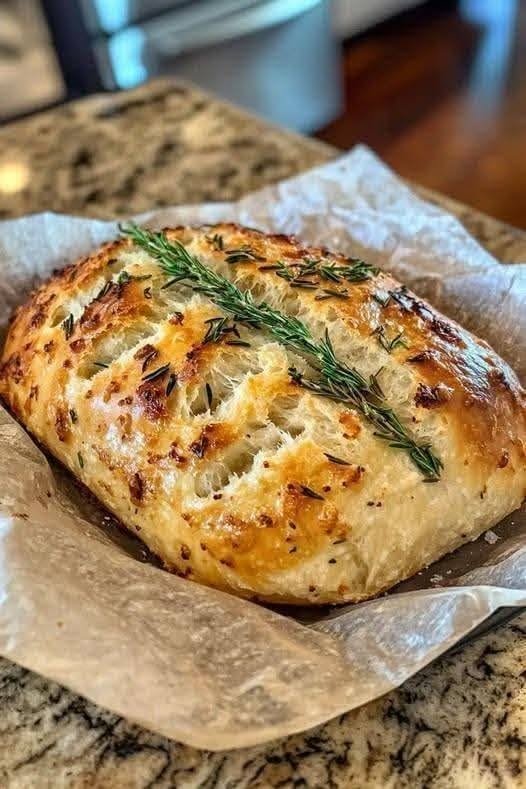
This Rosemary Garlic Focaccia Bread is a rustic Italian-style bread with a crisp, olive-oil-rich crust, an airy and chewy center, roasted garlic flavor, and fragrant fresh rosemary. The recipe in your photo has that beautiful golden-brown finish and generous herb topping.
While focaccia itself isn’t a medical treatment or a proven “anti-inflammatory food,” this version uses extra-virgin olive oil, garlic, and rosemary, ingredients commonly featured in Mediterranean-style eating patterns. For an overall anti-inflammatory eating pattern, pair it with vegetables, legumes, whole grains, nuts, fish, and other minimally processed foods.
⭐ Why You’ll Love This Recipe
- Crispy, golden exterior with a soft, airy interior
- Fragrant fresh rosemary and garlic
- Made with extra-virgin olive oil
- No complicated bread-shaping techniques
- Excellent for meal prep, entertaining, and family dinners
- Naturally vegetarian
- Easy to customize with vegetables, herbs, and other toppings
- Perfect alongside Mediterranean and healthy dinner recipes
🥖 Rosemary Garlic Focaccia Recipe
Prep Time
20 minutes active
Rise Time
2–3 hours
Bake Time
25–35 minutes
Total Time
Approximately 3½ hours
Yield
1 large focaccia, approximately 9 × 13 inches
Servings
10–12 slices
Ingredients
For the Dough
- 4 cups (500 g) bread flour or all-purpose flour
- 2 teaspoons instant yeast
- 2 teaspoons fine sea salt
- 1 tablespoon honey or maple syrup
- 1¾ cups (420 ml) lukewarm water
- ¼ cup (60 ml) extra-virgin olive oil
For the Garlic-Rosemary Topping
- 3–4 tablespoons extra-virgin olive oil
- 4–6 cloves garlic, finely minced or thinly sliced
- 2 tablespoons fresh rosemary, chopped
- 1–2 teaspoons fresh rosemary sprigs for decorating
- ½–1 teaspoon flaky sea salt
- ½ teaspoon freshly ground black pepper
- Optional: ½ teaspoon dried Italian seasoning
- Optional: 1–2 tablespoons grated Parmesan
Optional Finishing Ingredients
- Lemon zest
- Red pepper flakes
- Roasted garlic
- Cherry tomatoes
- Kalamata olives
- Caramelized onions
- Thinly sliced shallots
👩🍳 How to Make Rosemary Garlic Focaccia
1. Activate the Yeast
Add the lukewarm water, honey, and yeast to a large mixing bowl.
Let it sit for about 5 minutes.
If you’re using instant yeast, it doesn’t necessarily need to foam, but a little bubbling is a good indication that the yeast is active.
2. Make the Dough
Add the flour and salt.
Pour in the olive oil and mix with a wooden spoon or sturdy spatula until a sticky, shaggy dough forms.
Don’t worry if the dough looks wetter than traditional bread dough. Focaccia is supposed to be a high-hydration dough.
3. Develop the Dough
Cover the bowl and let the dough rest for about 10–15 minutes.
Then perform a few rounds of stretch-and-folds:
- Grab one side of the dough.
- Stretch it upward.
- Fold it toward the center.
- Rotate the bowl and repeat.
- Continue around the dough.
Do this every 10–15 minutes for 3–4 rounds.
Alternatively, you can simply mix the dough thoroughly and allow it to rise. The stretch-and-fold method, however, helps create a more open, airy crumb.
4. First Rise
Cover the bowl with plastic wrap, a reusable cover, or a clean kitchen towel.
Place it somewhere warm for approximately 1½–2 hours, or until the dough has noticeably expanded.
For even more flavor, you can refrigerate the dough overnight and continue the recipe the next day.
Overnight option
After mixing, cover and refrigerate for 8–24 hours.
The slower fermentation develops a deeper flavor and can make focaccia especially aromatic.
5. Prepare the Baking Pan
Generously coat a 9 × 13-inch baking pan with extra-virgin olive oil.
Don’t be shy with the oil—it helps create that characteristic crispy focaccia bottom.
Transfer the dough into the pan.
Gently stretch it toward the edges.
If it resists, let it rest for 10–15 minutes and stretch again.
6. Second Rise
Cover the pan and let the dough rise for another 45–75 minutes.
The dough should become noticeably puffy.
7. Make the Garlic-Rosemary Oil
Combine:
- 3–4 tablespoons olive oil
- minced or sliced garlic
- chopped rosemary
- black pepper
For a milder garlic flavor, briefly warm the garlic and oil over low heat for 1–2 minutes, then allow it to cool.
Avoid aggressively frying the garlic because burnt garlic can become bitter.
8. The Famous Focaccia Dimples
Preheat your oven to 425°F (220°C).
Pour the garlic-rosemary olive oil over the dough.
Now comes the fun part.
Coat your fingertips with olive oil and gently press your fingers straight down into the dough, creating deep focaccia dimples.
Don’t flatten the dough completely.
The dimples should hold little pools of olive oil and seasoning.
9. Add the Toppings
Sprinkle the surface with:
- Fresh rosemary
- Flaky sea salt
- Garlic
- Black pepper
For the beautiful appearance shown in your photo, place a few longer rosemary sprigs diagonally across the dough.
10. Bake
Bake at 425°F (220°C) for approximately 25–35 minutes, depending on your oven and pan.
The focaccia should be:
- Deep golden brown
- Crisp around the edges
- Puffy
- Well browned on top
- Cooked through in the center
For an especially crisp crust, give it a few additional minutes in the oven—but watch the garlic carefully.
11. Cool & Serve
Let the focaccia cool for at least 15–20 minutes before slicing.
Finish with another light drizzle of high-quality extra-virgin olive oil and a sprinkle of flaky sea salt.
Then slice and serve warm.
🌿 Is Rosemary Garlic Focaccia Anti-Inflammatory?
It’s better to describe this as an anti-inflammatory-friendly recipe rather than an “anti-inflammatory treatment.”
Rosemary, garlic, and extra-virgin olive oil contain naturally occurring plant compounds that are widely studied for antioxidant and inflammatory-pathway effects. However, eating focaccia won’t treat inflammation or a medical condition.
The bigger nutritional picture matters.
For a Mediterranean-style meal, combine a moderate serving of focaccia with:
- Leafy greens
- Tomatoes
- Beans or lentils
- Extra-virgin olive oil
- Nuts or seeds
- Salmon or another oily fish
- Fresh vegetables
- Herbs and spices
That creates a much more balanced Mediterranean diet-inspired meal.
🥗 Serving Suggestions
1. Mediterranean Dinner
Serve warm focaccia with:
- Greek salad
- Hummus
- Roasted vegetables
- Grilled chicken
- Salmon
- Olives
2. Healthy Lunch
Use focaccia as the base for an open-faced sandwich with:
Avocado + tomato + arugula + hummus + grilled vegetables
3. Soup Night
This bread is fantastic with:
- Tomato basil soup
- Lentil soup
- Minestrone
- Vegetable soup
- White bean soup
4. Charcuterie Board
Cut the focaccia into small squares and serve alongside:
- Olives
- Cheese
- Grapes
- Roasted peppers
- Hummus
- Marinated vegetables
5. Dinner Party Appetizer
Cut into bite-size pieces and serve with extra-virgin olive oil and balsamic vinegar for dipping.
🧄 Delicious Variations
Roasted Garlic Focaccia
Replace raw garlic with an entire head of roasted garlic. Squeeze the softened cloves over the dough before baking.
Lemon Rosemary Focaccia
Add 1–2 teaspoons of fresh lemon zest to the topping for a bright Mediterranean flavor.
Tomato Basil Focaccia
Add halved cherry tomatoes and fresh basil after baking.
Olive & Rosemary Focaccia
Scatter Kalamata or green olives over the dough before baking.
Caramelized Onion Focaccia
Add thinly sliced caramelized onions for a sweet-savory version.
Parmesan Garlic Focaccia
Add finely grated Parmesan during the final 5–10 minutes of baking.
Spicy Garlic Focaccia
Add red pepper flakes and a small amount of chili-infused olive oil.
Whole-Grain Focaccia
Replace approximately 25–30% of the flour with whole-wheat flour. Avoid replacing all the flour initially because a very high whole-grain percentage can produce a denser loaf.
Gluten-Free Version
Use a tested gluten-free focaccia flour blend specifically formulated for yeast breads. Gluten-free dough behaves differently, so a direct 1:1 substitution isn’t always successful.
💡 Expert Tips for Perfect Focaccia
Use plenty of olive oil.
Focaccia isn’t the place to be overly conservative with oil.
Don’t add too much flour.
A sticky dough generally produces a lighter, airier focaccia.
Give it time to rise.
Under-proofed focaccia tends to be dense instead of fluffy.
Use fresh rosemary when possible.
Fresh herbs provide a much stronger aroma.
Don’t burn the garlic.
Garlic can go from golden to bitter surprisingly quickly.
Bake until genuinely golden brown.
A pale focaccia may be cooked but won’t have the same crisp texture or roasted flavor.
Try overnight fermentation.
This is one of the easiest ways to develop more complex flavor.
📊 Approximate Nutrition
Nutrition varies according to flour, olive oil, toppings, and serving size. For 1 of 12 servings, this recipe provides approximately:
| Nutrient | Approximate Amount |
|---|---|
| Calories | 210–240 kcal |
| Carbohydrates | 31–34 g |
| Protein | 5–6 g |
| Fat | 8–10 g |
| Saturated Fat | 1–2 g |
| Fiber | 1–2 g |
| Sugar | 1–2 g |
| Sodium | 350–500 mg |
Note: Sodium can vary substantially depending on how much flaky salt you use.
For a higher-fiber version, incorporate some whole-wheat flour and serve the focaccia with vegetables, beans, or a protein-rich dish.
🥖 Storage & Reheating
Room Temperature
Store in an airtight container for 1–2 days.
Refrigerator
Refrigeration can make bread stale faster, so it’s generally better to freeze focaccia if you need longer storage.
Freezer
Slice the focaccia and freeze individual portions for up to approximately 2–3 months for best quality.
Reheating
Place frozen or room-temperature focaccia in a 350°F (175°C) oven for 5–10 minutes until warm and crisp.
An air fryer also works beautifully for small portions.
❓ Related Questions
Can I make focaccia the night before?
Absolutely. An overnight refrigerated fermentation is one of the best ways to improve flavor.
Why is my focaccia not fluffy?
Common causes include insufficient fermentation, inactive yeast, too much flour, or pressing too much air out of the dough.
Can I use dried rosemary?
Yes. Use approximately 1 teaspoon dried rosemary for every tablespoon of fresh rosemary, adjusting to taste.
Can I make focaccia without garlic?
Yes. Simply omit the garlic and increase the rosemary, or experiment with thyme, oregano, basil, or sage.
Is focaccia healthier than regular bread?
Not automatically. Focaccia typically contains more olive oil than ordinary sandwich bread, increasing its calorie and fat content. Portion size and the overall meal matter more than labeling one bread universally “healthy.”
Can focaccia fit into a Mediterranean diet?
Yes. A moderate portion can fit comfortably into a Mediterranean-style eating pattern, particularly when paired with vegetables, legumes, fish, nuts, and extra-virgin olive oil.
How do I make focaccia extra crispy?
Use a generously oiled metal pan, don’t overcrowd the dough, bake until deeply golden, and allow the bottom to become well browned before removing it.
📝 Recipe Card
Rosemary Garlic Focaccia Bread
Ingredients: 4 cups flour, 2 tsp yeast, 2 tsp salt, 1 tbsp honey, 1¾ cups water, ¼ cup olive oil, 3–4 tbsp additional olive oil, 4–6 garlic cloves, 2 tbsp fresh rosemary, flaky salt and black pepper.
Method: Mix → stretch and fold → first rise → transfer to an oiled pan → second rise → dimple → add garlic and rosemary → bake at 425°F/220°C for 25–35 minutes → cool → slice.
Best for: Mediterranean dinners, healthy lunch ideas, meal prep, entertaining, appetizers, soups, salads, and family-style meals.
Final Thoughts
This Rosemary Garlic Focaccia Bread is a wonderful example of how simple ingredients can create an impressive homemade recipe. The combination of extra-virgin olive oil, garlic, rosemary, sea salt, and freshly baked bread gives you a crisp, aromatic crust and irresistibly soft center.